
30.09.2026


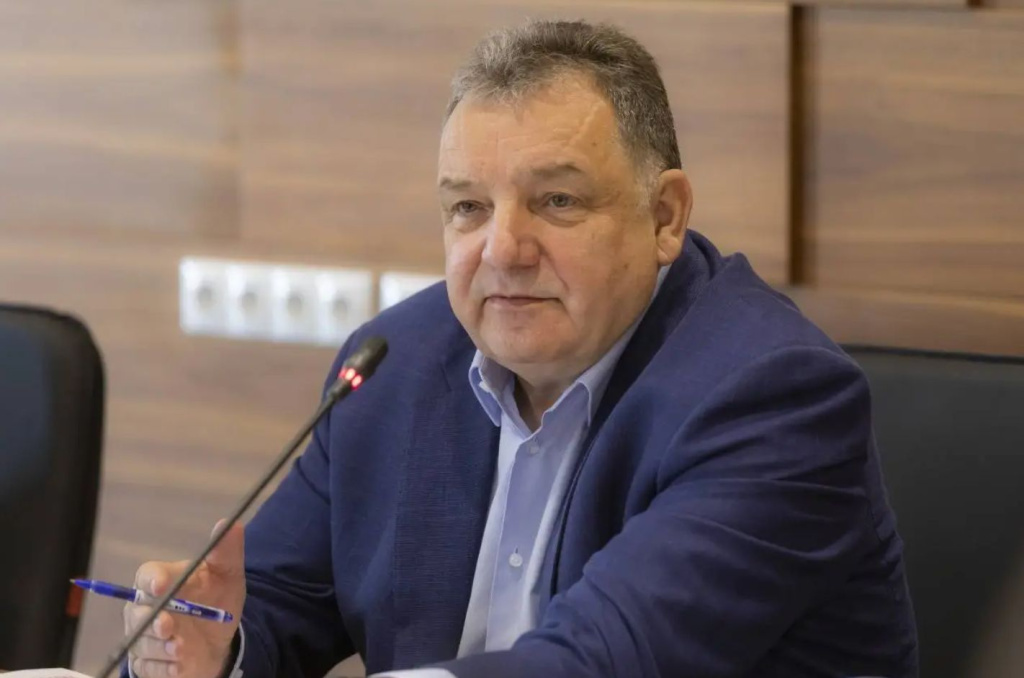
Gennady Degtev, CEO of Technopolis Moscow SEZ, told RBC in an interview about how territories with a special status are changing, what the cluster approach provides and why the emphasis is on full-cycle production.
— According to the UN, there are more than 5,000 special economic zones (SEZs) in the world, and the practice of developing territories with preferential status has been going on for decades. How, in your opinion, have the approaches to their creation changed?
— Over the past two decades, SEZs have gone from a business support tool to high-tech ecosystems. At the initial stage, in the mid-2000s, when the Moscow SEZ was being created, the key priorities were attracting foreign investment, building basic infrastructure and tax incentives for production. By the 2010s, attention had shifted to innovation and import substitution. Technological sovereignty, the organization of a full production cycle — from components to a finished high—tech product, not just assembly - and industrial automation have now come to the fore. The cluster approach is especially relevant.
— According to the Ministry of Economic Development, there are 62 SEZs in Russia. How does the Russian model differ from its foreign counterparts?
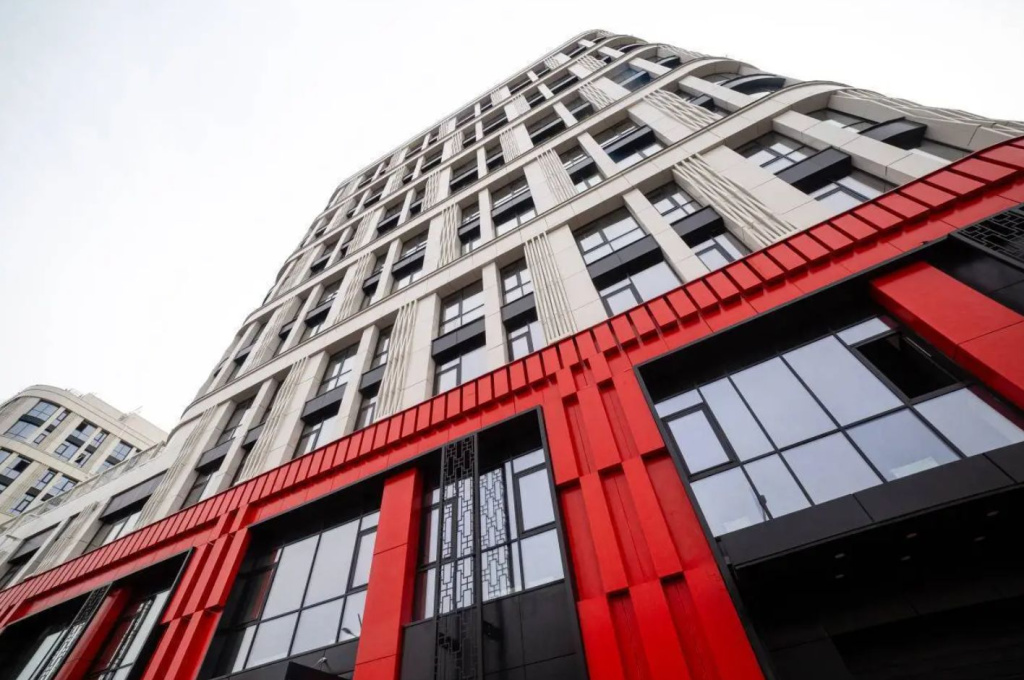
— One of the differences is the scale and the target market. For example, large export-oriented zones were created in China. Russian SEZs are local technological centers that are developing taking into account regional specifics. Our main task now is to meet the needs of the domestic market. International experts evaluate such platforms based on the speed of business launch, cost of resources and financial benefits for investors. Russian SEZs offer investors a ready-made infrastructure and support system. We consider the cost of energy resources and the pace of construction of industrial and public-business infrastructure to be our advantages. 2.1 million square meters have been built in the capital's SEZ. m of modern infrastructure. Ready-made production buildings and the "one-stop shop" service help investors to launch enterprises faster.
— What is the main incentive for obtaining the status of a resident of the Technopolis Moscow SEZ: access to urban land and infrastructure or tax benefits?
— As practice shows, tax benefits and access to infrastructure are equally important for businesses. The income tax rate for residents is 2%. They are also exempt from taxes on property, land and transport for ten years. This helps to reduce the financial burden at the start, and the ready—made industrial infrastructure helps to expand production faster. SEZ helps to solve other tasks: to establish production cooperation, to cooperate with universities in the field of research and development (R&D), to train qualified personnel. Direct interaction with development institutions and access to industry communities are important for companies. Another factor is the development of SEZs based on the "city within a city" principle: well—maintained territories help attract specialists. Over the past ten years, the number of Technopolis Moscow SEZ residents has increased almost 3.5 times, from 38 to 131 companies. In 2025 alone, 20 companies received resident status, which accounted for a third of all new residents of Russia's technical and innovation SEZs.
— How do high-tech clusters ensure economic returns for the city, such as increased production, employment, tax revenues, and technology localization?
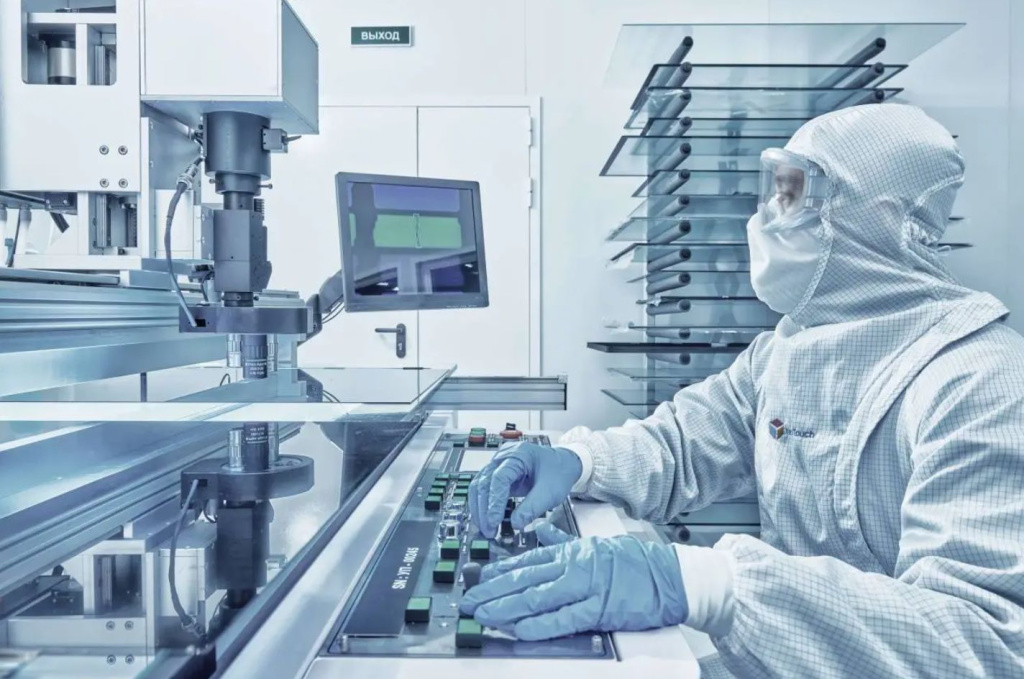
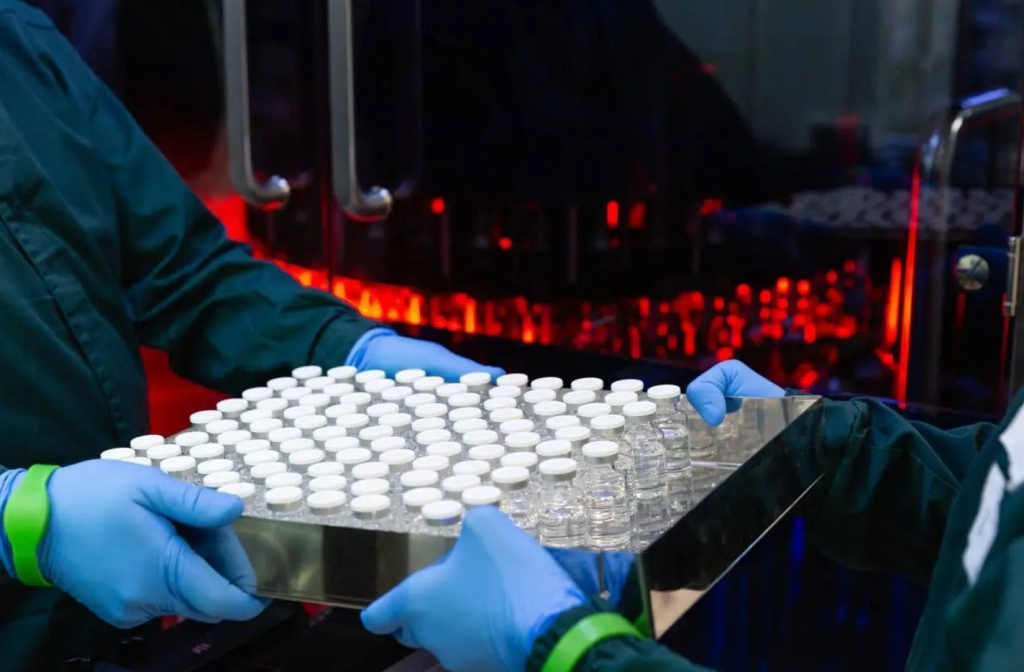
— The cluster approach helps companies to cooperate and allows them to apply comprehensive state support measures. Clusters of electric vehicles, photonics and microelectronics, pharmaceuticals and other fields have already been formed in the capital's SEZ. The logic is simple: the closer the companies interact, the more opportunities there are for production development. According to our estimates, high economic indicators are demonstrated by enterprises of microelectronics and photonics, as well as pharmaceuticals. They are increasing their output and expanding their presence in the Russian market. We see the cluster model as an opportunity to combine technological development with economic returns. Cooperation allows building longer production chains and switching to domestic components and technologies. It is important that a significant part of the cost of a product is created at the stages of development and production of complex components, and not just during assembly. This contributes to the growth of output and tax revenues. This is how it works: developers and manufacturers are on the same site and jointly create the final product. Such an organization shortens the path from development to product launch, helps create jobs for engineers, and expands the tax base. The production of demanded products is being launched on the territory of the SEZ. For example, a resident of a pharmaceutical cluster has launched the production of a drug based on its own substance, which is used in the treatment of 13 types of oncological diseases. Residents are also developing artificial lung ventilation and ultrasound diagnostics devices, prosthetics and other products. The residents' development portfolio includes more than 940 products and solutions.
— Technopolis Moscow SEZ unites ten sites in different districts of the capital. It is known about the city's plans to expand them. How will the SEZ grow and what will be placed in the new territories?
— The Integrated Territorial Development Program (CDT) should play an important role. It allows to transform inefficiently used territories of Moscow, including to place new production facilities on them. Some of the new enterprises will appear in the Technopolis Moscow SEZ. Currently, projects for the construction of about 600 thousand square meters of production space have been agreed upon until 2039. They are intended for high-tech enterprises and research centers in the field of aircraft engineering, microelectronics, pharmaceuticals, robotics and other areas. For example, at the Pechatniki site, more than 23.5 hectares have been allocated for CRT projects. Over 220,000 square meters of industrial real estate will be built here, which will create more than 2.2 thousand jobs. Several major projects are planned at SEZ sites in Zelenograd. Over 360,000 square meters of industrial and public-business buildings, as well as industrial technology parks, will be built on the territory of more than 37 hectares. The main focus is on microelectronics enterprises. It is planned to create more than 3.6 thousand jobs.
— Which specialists are in demand in the SEZ? How is the problem of shortage of qualified personnel solved?
— Technologies are developing faster than the education system manages to adapt training programs. For example, the development of photonics requires specialists with competencies at the junction of several areas. Technopolis Moscow SEZ cooperates with educational institutions. The Rudnevo and Pechatniki sites are home to practical training centers for students of Moscow colleges in fields related to mechanical engineering, electronics, industrial automation, and the aviation industry. Residents participate in the development of training programs so that graduates come to production with relevant skills.
— Which areas of SEZ development do you consider the most promising?
— According to the Moscow industry development strategy, the creation of inter-industry production chains and deepening localization remain key areas for the SEZ. Priority is given not to disparate factories, but to interconnected enterprises in microelectronics, biopharmaceuticals, electric vehicles and other industries. We strive to organize a full production cycle, from the production of basic components and pharmaceutical substances to finished products. Another important area is automation, development and implementation of domestic software and robotic lines to increase productivity. For example, an industrial robotics test site has been launched on the territory of the Moscow SEZ. Here you can check technical solutions, develop and test robots. Access to the landfill helps companies reduce costs and project deadlines. At the same time, it is open not only to residents, but also to other companies from Moscow and the regions. Our goal is to create a flexible industrial base capable of supporting Moscow's technological development in the long term.
Press Service of Technopolis Moscow SEZ
+7 495 647 08 18 (ext. 1209) pr@technomoscow.ruFollow Technopolis Moscow SEZ on social media, stay updated with the main SEZ news on our Telegram channel, and receive all important updates directly to your inbox via our weekly newsletter.


