
20.02.2026



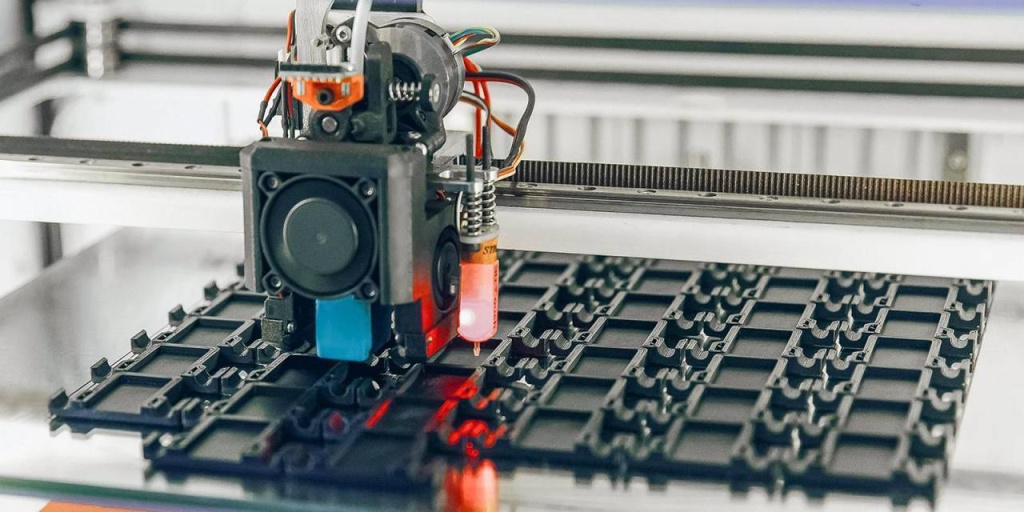
Additive technologies are successfully developing in Moscow, which no large enterprise can do without today. Industrial 3D printers allow you to print samples of future mass-produced products, recreate unique parts, reduce material consumption, reduce the weight of finished products and significantly speed up their production. More than 25 metropolitan companies produce printers, components and materials for 3D printing, develop specialized software and provide additive manufacturing services.
Correspondents mos.ru We visited the enterprises of the Technopolis Moscow Special Economic Zone (SEZ) residents and saw how industrial 3D printers work, what technologies allow us to create complex products according to individual parameters and why this affects labor productivity.
Quickly and efficiently
Additive Engineering has been engaged in the supply and adjustment of industrial equipment, 3D modeling and printing for more than 10 years. It is located in one of the buildings of the Technopolis Moscow SEZ on Volgogradsky Prospekt, where it implements a full cycle of development and production of complex products using digital technologies. The company produces a wide range of products, from functional prototypes and tooling for mechanical engineering to electronic enclosures, implants for medicine, components for aerospace, architectural models and interior design items. 18 industrial printers designed to work with different materials, from metal to plastic, demonstrate the five main 3D printing technologies.
"We create prototypes, optimize customer parts for 3D printing, show how additive technologies work, and then help introduce them into production based on our equipment. Industrial printers print products made of alloys of various metals: aluminum, heat-resistant steel, cobalt, chromium, as well as polyamides, composites and polymers. By scanning, we can create a 3D model of any part and make economic calculations to put it into mass production," says Dmitry Filippov, head of the Center for Additive Engineering.
Depending on the printing method, industrial 3D printers are distributed in different areas. In separate rooms equipped with numerous hoods, temperature and humidity sensors, as well as antistatic flooring, innovative mechanisms working with metal, polyamides and photopolymers hum and hum evenly. Two shelves are reserved for 12 small printers, which print small items, interior decorations and souvenirs.
"Additive technologies make it possible to create unique, geometrically complex things that would take a lot of time and effort to produce in the traditional way. For example, this metal mixer is made up of 250 segments, and we print it in 20 hours. It takes up to six months to make complex blanks for aircraft engine spare parts, and we make them within 12 days," continues Dmitry Filippov.
Additive technologies are widely used by the Motorika company, one of the world leaders in the production of functional prosthetics of the upper and lower extremities. Bionic prosthetics of fingers, hand, shoulder and forearm are being produced at the high-tech site of the enterprise in the Technopolis Moscow SEZ.
All body parts of products are printed on modern 3D printers. The machine fills the polyamide powder into the chamber of the device, and a special roller rolls it out in a thin layer. Then the laser "bakes" the blanks according to the specified drawings, and after cooling they are fed to the cleaning station. Here, the parts are treated with compressed air, sandblasted, sanded with abrasive particles in a rolling machine, washed in an ultrasonic bath, dried, assembled and transferred to the control site.
"We can make up to 10,000 prosthetics per year at our facilities in the SEZ "Technopolis Moscow". The entire cycle takes place at the site — from printing parts, casting silicone parts to working with electronics and assembly. Our own design studio is working on each prosthesis," says Nikita Strelnikov, head of the 3D printing machining group at the company.
After passing the technical inspection of the workpiece, the housings are primed and manually painted in several layers using different techniques. At the request of the customer, gloss, sequins and a stylish design pattern can be applied to the prosthesis, for example, an imitation of an Iron Man's hand.
Silicone pads on fingers and palms, imitating human skin, are cast in an adjacent area. Then all the components are transferred to the assembly, where the body is "stuffed" with mechanisms and electronics and the prostheses are tested on a demonstration stand.
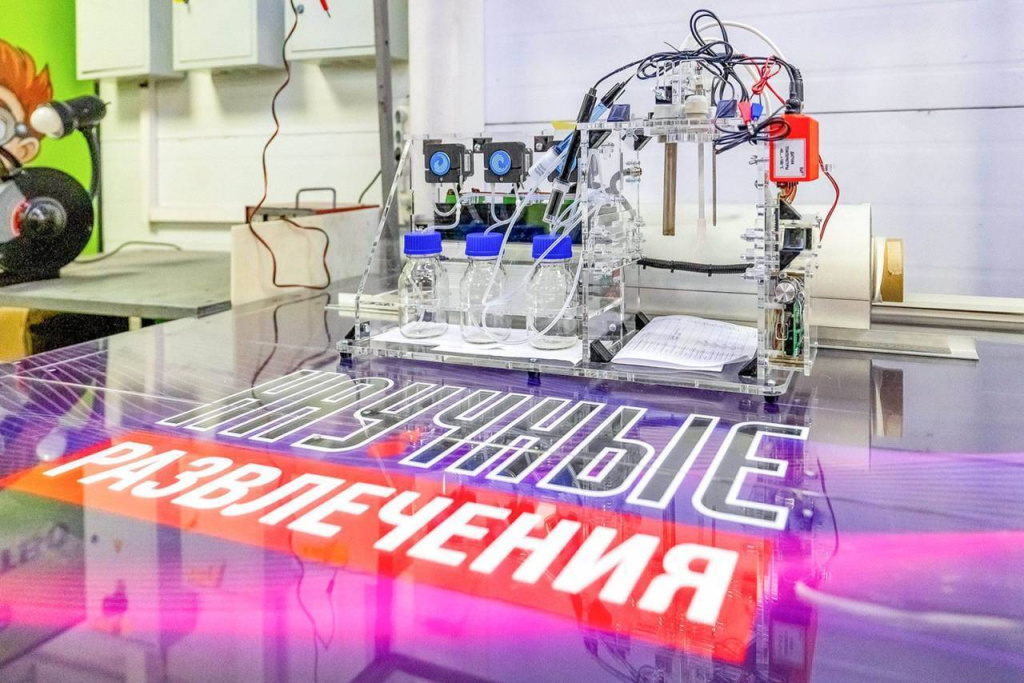
The Scientific Entertainment company has its own 3D laboratory, which is also located on the territory of the Technopolis Moscow SEZ. The company develops and manufactures interactive educational equipment: digital laboratories, smart homes and greenhouses, experiment kits in physics, chemistry and biology, ecology and robotics, measuring instruments and sensors, development constructors and unmanned systems. The brand's products can be seen in kindergartens, schools, colleges and universities in all Russian cities and in dozens of other countries.
"The company has been present on the market for more than 30 years. We have a closed production cycle, starting from the development of devices and the creation of printed circuit boards and ending with the manufacture of enclosures. We use additive technologies extensively in our work. 11 modern 3D printers print the smallest and most complex fragments of plastic, and one printer makes detailed prototypes from epoxy resin," says Maxim Isaev, head of production at the electronics department of the company.
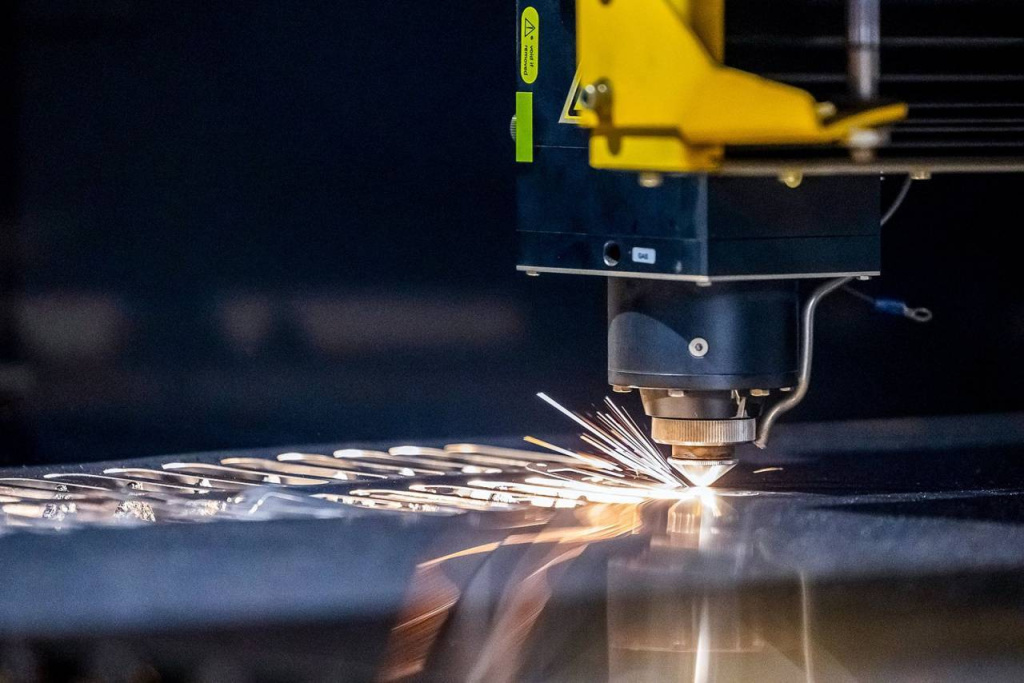
You can order advanced 3D printing of a wide variety of products at the center for collective use, opened in the Technopolis Moscow SEZ in October last year. Residents and tenants of the special economic zone apply here for services in cutting, welding and metalworking, manufacturing of parts, assemblies and assemblies, development of design and technical documentation, economic calculations, as well as expert advice. Two advanced domestic printers are installed in a separate room. One of them is equipped with a rotary table, which allows you to produce the most complex parts in 5D format.
Press Service of Technopolis Moscow SEZ
+7 495 647 08 18 (ext. 1209) pr@technomoscow.ruFollow Technopolis Moscow SEZ on social media, stay updated with the main SEZ news on our Telegram channel, and receive all important updates directly to your inbox via our weekly newsletter.


