
17.07.2025


"Moscow – A Conduit for the Industry of the Future: Industry 4.0
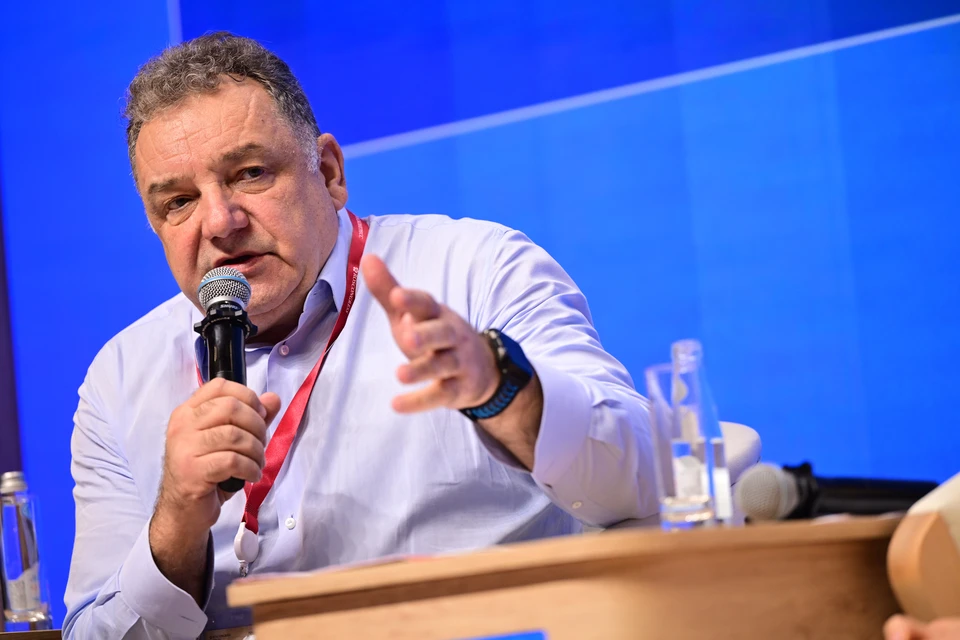
In just a few years, Moscow has transformed into a modern, powerful industrial hub. What made this possible? Gennady Degtev, General Director of the Technopolis Moscow Special Economic Zone, spoke about this during an interview at the Komsomolskaya Pravda studio on the sidelines of the St. Petersburg International Economic Forum.
From Unmanned Systems to Electric Vehicles
— Mr. Degtev, the Technopolis Moscow SEZ is a flagship project of the Moscow Government. For several years it has consistently led various industry rankings. How open are you to sharing your experience with other regions?
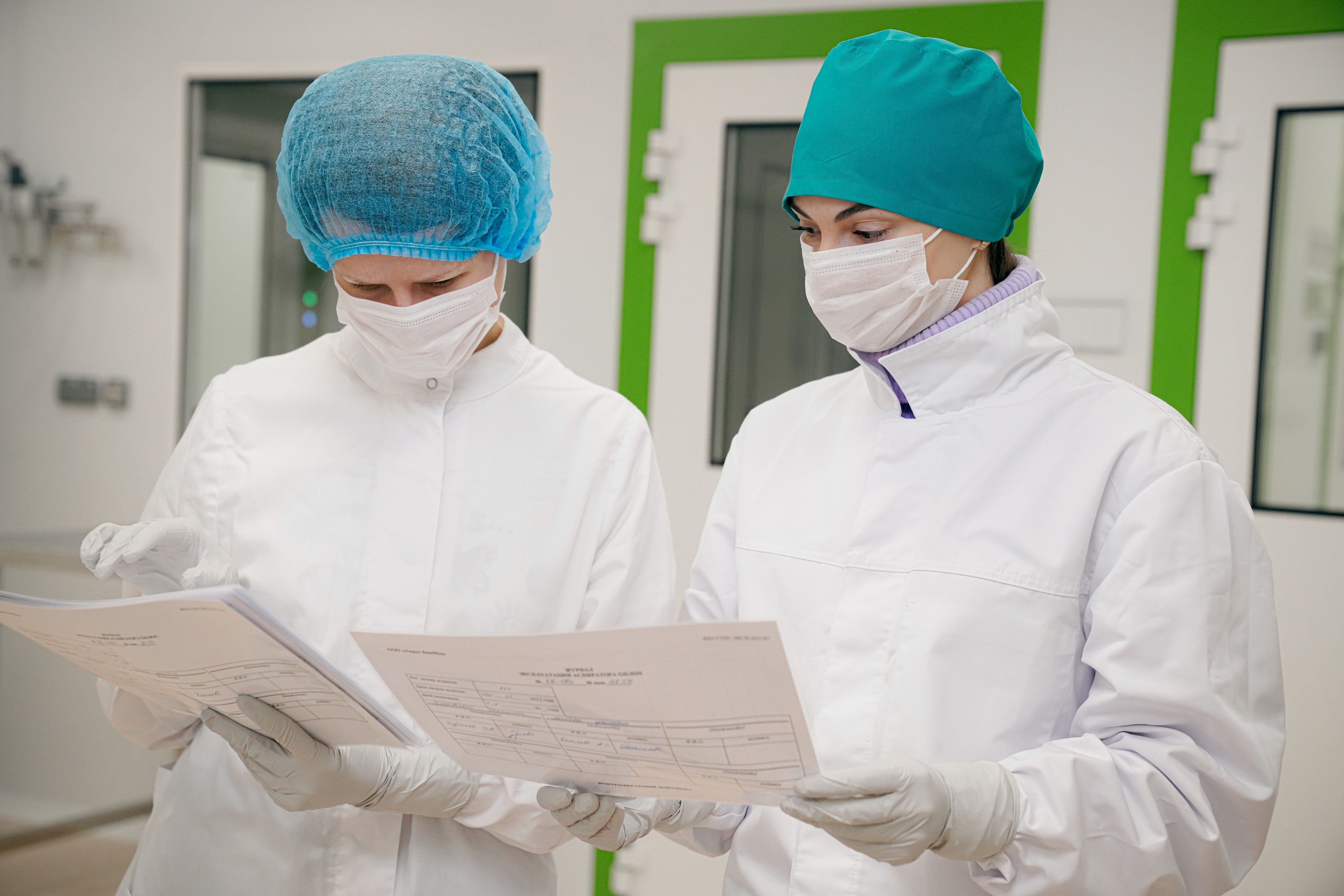
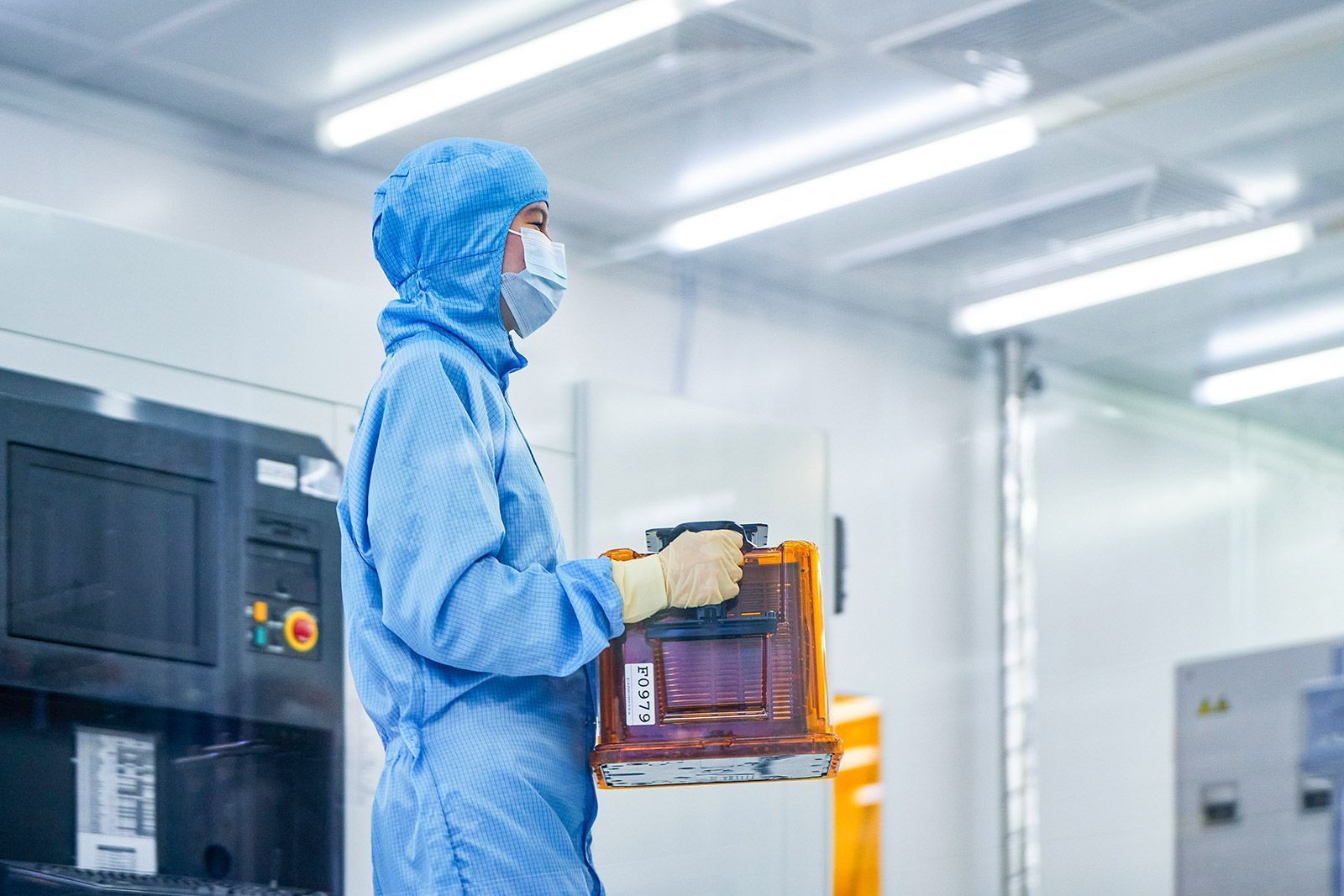
— Openness is a key condition for developing technology and innovation. It is always about the exchange of knowledge, practices, and successful cases. Today, more than 230 high-tech companies operate within the Moscow SEZ, actively working on import substitution and creating strategically important products. These include modern biotechnological medicines, microelectronics and photonics products, unmanned aerial systems, electric vehicles and their components, new materials, and IT solutions. Many companies develop and manufacture products unique to Russia — such as lithography equipment, photonic integrated circuits, high-speed transceivers and multiplexers for optical communications, neural network accelerators, and specialized robotic complexes.
Naturally, a comfortable business environment and the opportunities provided by the SEZ play a major role in developing the products of the future. We have been moving in this direction for nearly 20 years and have built up our own practices — from a wide range of services and modern ready-made infrastructure to tax incentives.
In essence, the Moscow SEZ fosters local technological sovereignty. But for this goal to be achieved at the national level, both the methods of organizing innovative production and effective business support measures must be scaled up. That is why we are always open to colleagues — every year we host dozens of delegations, both international and regional. For the second year in a row, the SEZ has also hosted on-site internships for regional industry ministers as part of the Ministry of Industry and Trade of Russia’s educational program Federal Practice. The program is aimed at creating and developing industrial technology parks and clusters in high-tech sectors across the regions.
Students Join the Tech Internship Program
— You signed two Memorandums of cooperation at SPIEF with regions — St. Petersburg and Vladimir Region. Who benefits more from this cooperation — Moscow or the regions?
— Cooperation between the Moscow SEZ and the regions creates a synergistic effect that benefits both the capital and the regions. Interaction between SEZs makes it possible to share best practices in SEZ development, build cooperative ties, and support investors in localizing industrial production.
Our partnership with the Vladimir Region will focus on joint investment projects and business missions that will help boost regional development and improve citizens’ quality of life. Meanwhile, St. Petersburg is one of Russia’s largest markets and transport hubs, handling international cargo shipments. We are also interested in cooperation in this direction — enterprises within the Moscow SEZ already supply products to St. Petersburg companies and organizations, including composite railings, innovative laser machines, robotic systems, educational, interactive, and inspection equipment, and more. The cooperation agreement between our SEZs will give additional impetus to trade, economic, and scientific partnerships.
— Another memorandum concerned the creation of a Robotics Development Cluster. Which clusters are already successfully operating within the Technopolis Moscow SEZ, and what are your expectations for the new one?
Today the cluster approach is one of the priority methods for regional development. It not only generates sectoral synergy and boosts companies’ competitiveness but also ensures effective implementation of state support measures. Over the past three years, four new clusters have formed within the Technopolis Moscow SEZ — photonics and microelectronics, electric vehicles, pharmaceuticals, and unmanned aerial systems.
Traditionally, the leaders in terms of economic performance are microelectronics, photonics, and pharmaceuticals. These strategically important industries have received new momentum thanks to the course on import substitution. Every year they increase production volumes and expand their share of the domestic market. In 2024 alone, SEZ residents produced goods worth 159.5 billion rubles.
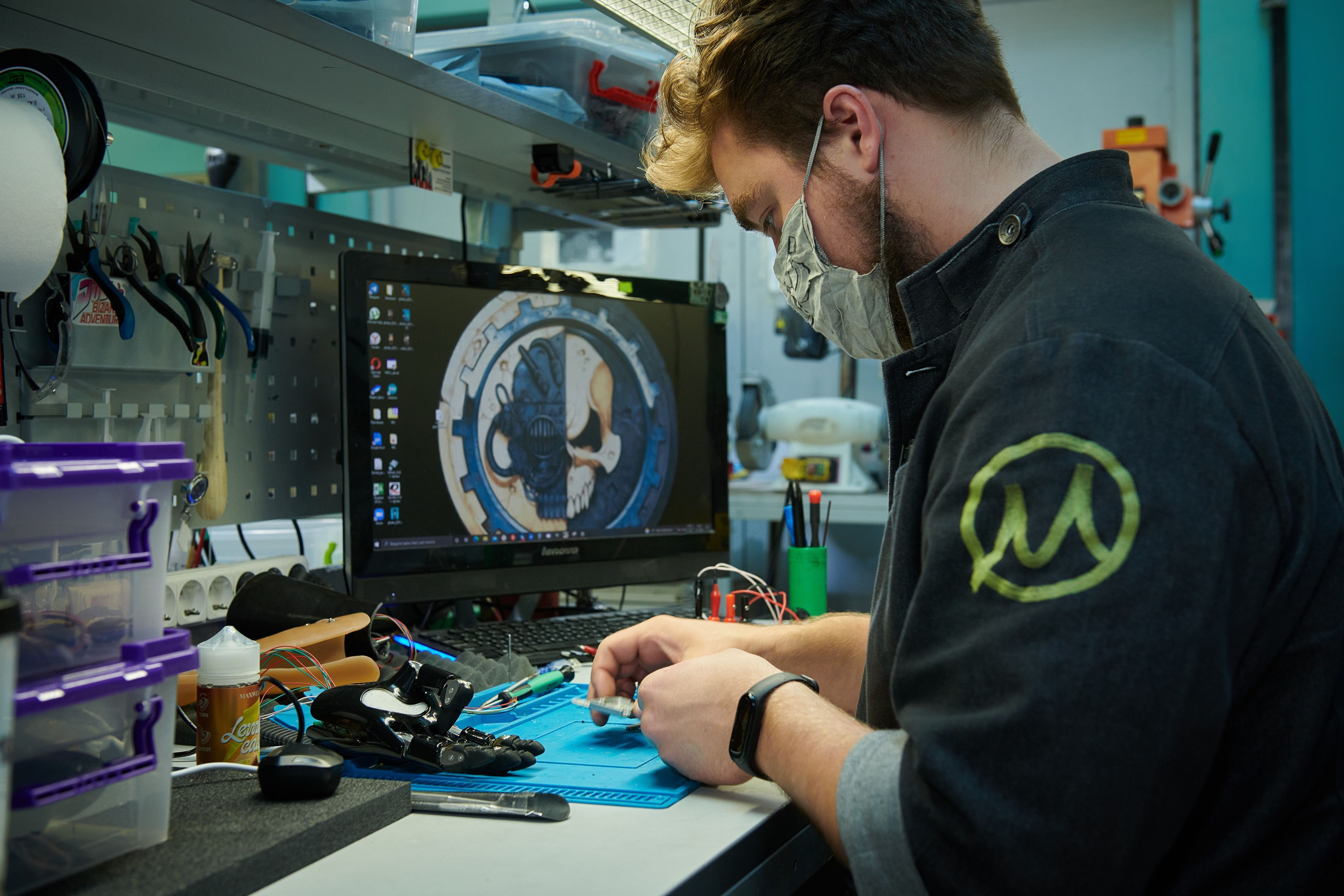
One of the advantages of clusters is the ability to integrate with industrial infrastructure — engineering centers, testing laboratories, certification centers, and educational institutions. This type of networking helps address many issues, including staffing. Special attention is given to training personnel for high-tech industries. Since 2022, the SEZ has been running the Tech Internship project, which helps young specialists turn theoretical knowledge into practical skills while helping enterprises recruit young talent for in-demand positions. Given today’s challenges, the project has become particularly relevant. Since its launch, more than 1,500 students from Moscow universities and colleges have participated, with over 65 SEZ companies involved.
Expanding Capacity
— What is the demand for production sites within the technopolis?
— The Moscow SEZ is one of the most effective tools for supporting high-tech businesses. Here, companies gain access to ready-made modern infrastructure, a comfortable business environment with a wide range of services and cooperation opportunities, and a substantial package of tax benefits and incentives. For example, residents enjoy zero land, property, and transport taxes, and the profit tax rate is reduced to just 2% compared to the standard 25%. They can also use the free customs zone procedure, which exempts them from customs duties and taxes. This allows companies to significantly reduce costs and reinvest in their growth.
Naturally, such conditions, which enable companies to launch production quickly and direct more resources toward development, are highly attractive to high-tech businesses. At present, the facilities of the Technopolis Moscow SEZ are nearly fully occupied, which is why we are constantly building and expanding. At the Pechatniki site, construction is nearing completion on two of five business complex towers that will become part of Moscow’s Southern Port project. These towers will host light manufacturing, research laboratories, office space, and hotel accommodations.
It is worth noting that Pechatniki is one of the most densely populated SEZ sites, home to 130 innovative enterprises producing medicines, microelectronics, new materials, and IT products. Dozens of companies have already applied to expand their facilities. The business complex will create concentrated demand in one location, driven by highly qualified professionals with high incomes — many of whom already work at the Pechatniki site. One of the towers will also host a personnel training center.
— Which companies are you looking to attract to the technopolis sites?
— The Moscow SEZ is a special economic zone of the technology innovation type. To become part of our tech community, companies must develop and manufacture scientific and technical products. So we are primarily looking for high-tech enterprises.
Currently, the Technopolis Moscow SEZ consists of ten industrial sites. The four Zelenograd sites host microelectronics and pharmaceutical companies, while the Rudnevo site is home to unmanned aerial systems manufacturers. The KMZ site will host the capital’s elevator manufacturing cluster, and the Khrunichev site will house an aerospace cluster. Tolstopaltsevo will focus on innovative construction technologies, and the Krasnaya Pakhra site is under development for a gigafactory producing lithium-ion batteries for electric transport.
The Market Demands Flexibility and Adaptation
— At the forum, the topic of labor productivity was raised. Many SEZ enterprises are part of this national project. What results do you expect?
— Around 30 companies are currently participating in the national Labor Productivity project. It helps participants save resources and improve technologies, leading to additional production growth and increased competitiveness. By applying new methods and approaches to production organization, companies are able to contain costs and therefore maintain competitive prices. In addition, training employees in lean production methods will allow them to apply this experience effectively in other areas of activity.
— High-tech companies are clearly concentrated within the Technopolis Moscow SEZ. Could you describe the “average” high-tech production company today?
— As our literature teachers told us, a character’s portrait always reflects the spirit of the time. In today’s environment, Russian high-tech has taken on the mission of ensuring the country’s technological independence. Despite numerous challenges, it must quickly fill gaps in critically important areas, creating domestic solutions and products that not only replace imported analogs but also lay the groundwork for future technologies. This is a complex task.
The hero of our high-tech era is a company that, with government support, focuses on creating new technologies, products, and services. It invests heavily in R&D and proprietary development, working in areas such as software, robotics, artificial intelligence, big data technologies, photonics, and optical communications. Most likely, this company is a small or medium-sized business, since today’s market conditions demand flexibility, adaptability, strong communication skills, and at the same time global ambition — to create a product that can not only compete with imports but also gain popularity in foreign markets.
Rudnevo Site Trains 3,000 Specialists per Year
— Staffing was another priority topic at the forum. How can one get a job at SEZ enterprises? Is there a demand for specialists?
— We live in a time when technology develops so rapidly that people struggle to keep up. New methods emerge much faster than the traditional cycle of specialist training in educational institutions. This is one of many reasons for the shortage of skilled personnel we see today. Of course, there are many other factors. But demand for highly qualified specialists in high-tech has always existed and always will — especially for those with strong practical skills.
Moscow is making significant efforts to strengthen its human capital. A major initiative is the practical training site for city colleges at the Rudnevo SEZ. Here, students acquire professional skills in several industrial specialties, including mechanical engineering, electronics, production automation, and the aviation industry (including unmanned systems). They are mentored by some of the best employees of Rudnevo-based companies, meaning students are immediately immersed in real production processes. The educational complex is equipped with advanced machinery already used in Moscow’s industries, and training programs are tailored to the needs of partner employers.
The site’s capacity allows more than 3,000 students to be trained annually. Successful graduates can secure employment at partner companies while continuing their studies under individual schedules.
— What needs to be done to spark interest in engineering professions among today’s teenagers?
— We need to revive the popularization of engineering as a profession, showing young people modern production facilities that look nothing like those of the past. The Engineering Class in Moscow Schools program, which the SEZ supports as a partner, is aimed at this. The program gives students the opportunity to visit real enterprises and meet top engineers at SEZ high-tech companies.
Today, more than 15 companies are hosting engineering classes. For them, student excursions are not a burden but an honorable mission — to guide young engineers into the world of modern industry. Many employers understand well: if you don’t train your own specialists, you will end up depending on others.
Coffee, Yoga, and Zumba
— Recently, you have been actively promoting the “city within a city” concept. In your opinion, are employees ready to see production spaces not only as workplaces but also as places for leisure and development?
— In June, the Expert Analytical Center released a ranking of Russian SEZs and industrial parks for 2024. The Moscow SEZ ranked among the leaders in contribution to the national economy. Analysts noted that, in terms of the number of jobs, the Technopolis Moscow SEZ is comparable to a small city.
This is a great responsibility for the management company, because such a city must be comfortable, uplifting, and supportive of people’s well-being. That is why we pay special attention to amenities and leisure opportunities for SEZ employees. Every year, more than 200 events are held here — from business to sports. Communities based on professional and personal interests have been formed, such as resident, HR, legal, and PR clubs. Industry-specific “Tech Clubs” are also held, along with mini-football tournaments and chess competitions.
For employees’ children, the Tech Holidays project provides opportunities to spend free time on SEZ sites, exploring their parents’ workplaces and high-tech production. Last winter, the Pechatniki site hosted an ice rink open to local residents as well. Meanwhile, a sports complex with two ice arenas is nearing completion at the Alabushevo site.
We are also improving the landscaping of industrial territories. For example, the Pechatniki site was established nearly a century ago, when an automobile plant was built here in 1930. Despite subsequent upgrades, we continue to develop infrastructure and services. Plans include aesthetic public areas, event spaces, and walking routes integrated with the embankment of the Southern Port district.
New services are being introduced as well — food delivery, car washes, parcel pickup points, and expanded parking infrastructure. This year we also created comfortable meeting areas where visitors can enjoy coffee in a café before their appointments. At the Rudnevo site, the rooftop of a new business center has become a lively green space where employees practice yoga, zumba, and other activities outdoors. The “city within a city” continues to grow and develop.
— What are the SEZ’s plans for the next five years?
— Amid current domestic and global challenges, the Moscow SEZ is entering a peak phase of development. Over the next five years, its industrial and business complex will expand 3.5 times — from 1.6 to 5.6 million square meters. Its territory will increase by 1.5 times — from 390 to 650 hectares. Employment will exceed 90,000 jobs, and investments will grow to 1.2 trillion rubles.
All conditions point to the fact that by 2030, Moscow’s SEZ will become one of the largest high-tech centers in Europe, and the city itself will be a true conduit for the industry of the future — Industry 4.0."
Press Service of Technopolis Moscow SEZ
+7 495 647 08 18 (ext. 1209) pr@technomoscow.ruFollow Technopolis Moscow SEZ on social media, stay updated with the main SEZ news on our Telegram channel, and receive all important updates directly to your inbox via our weekly newsletter.


