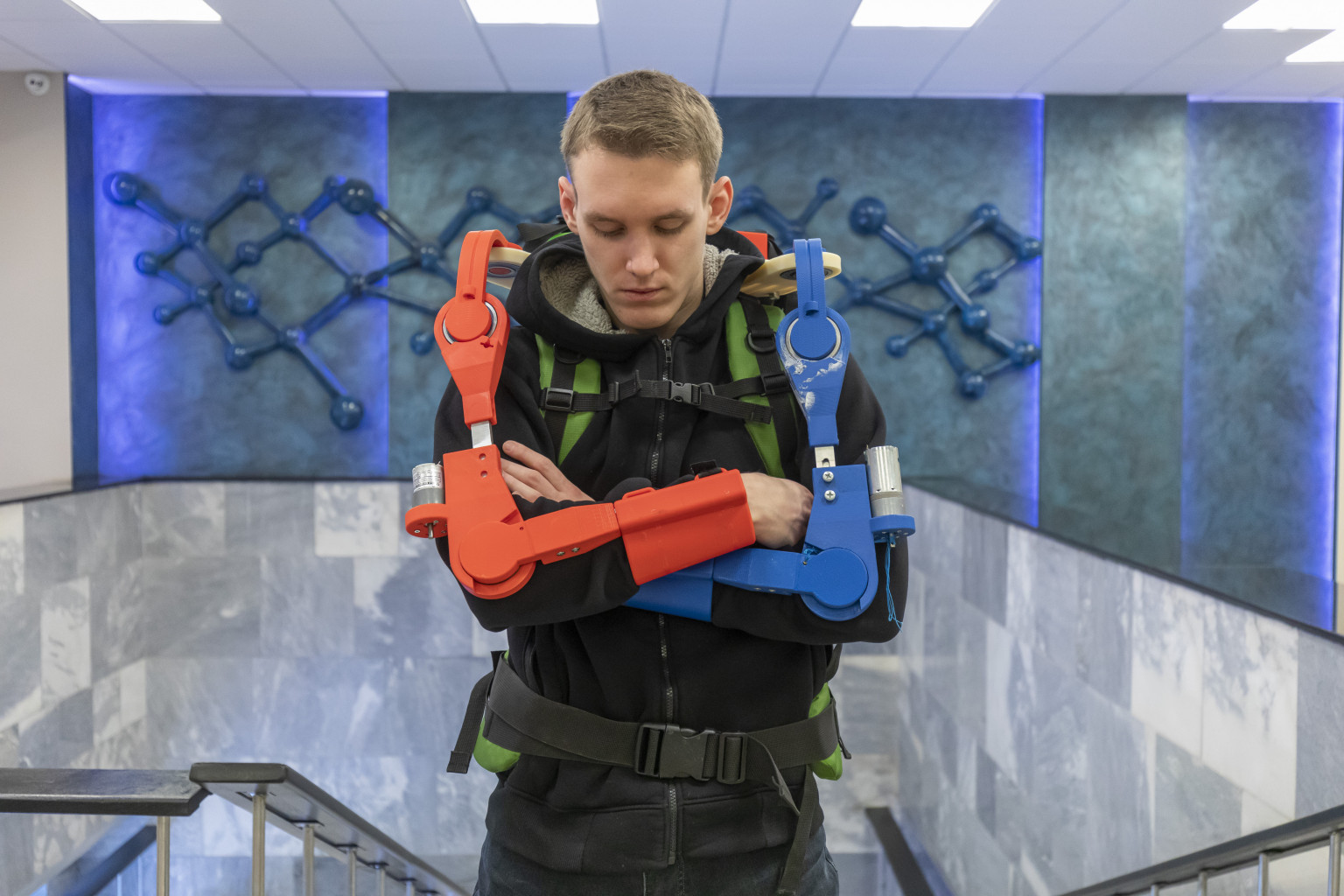
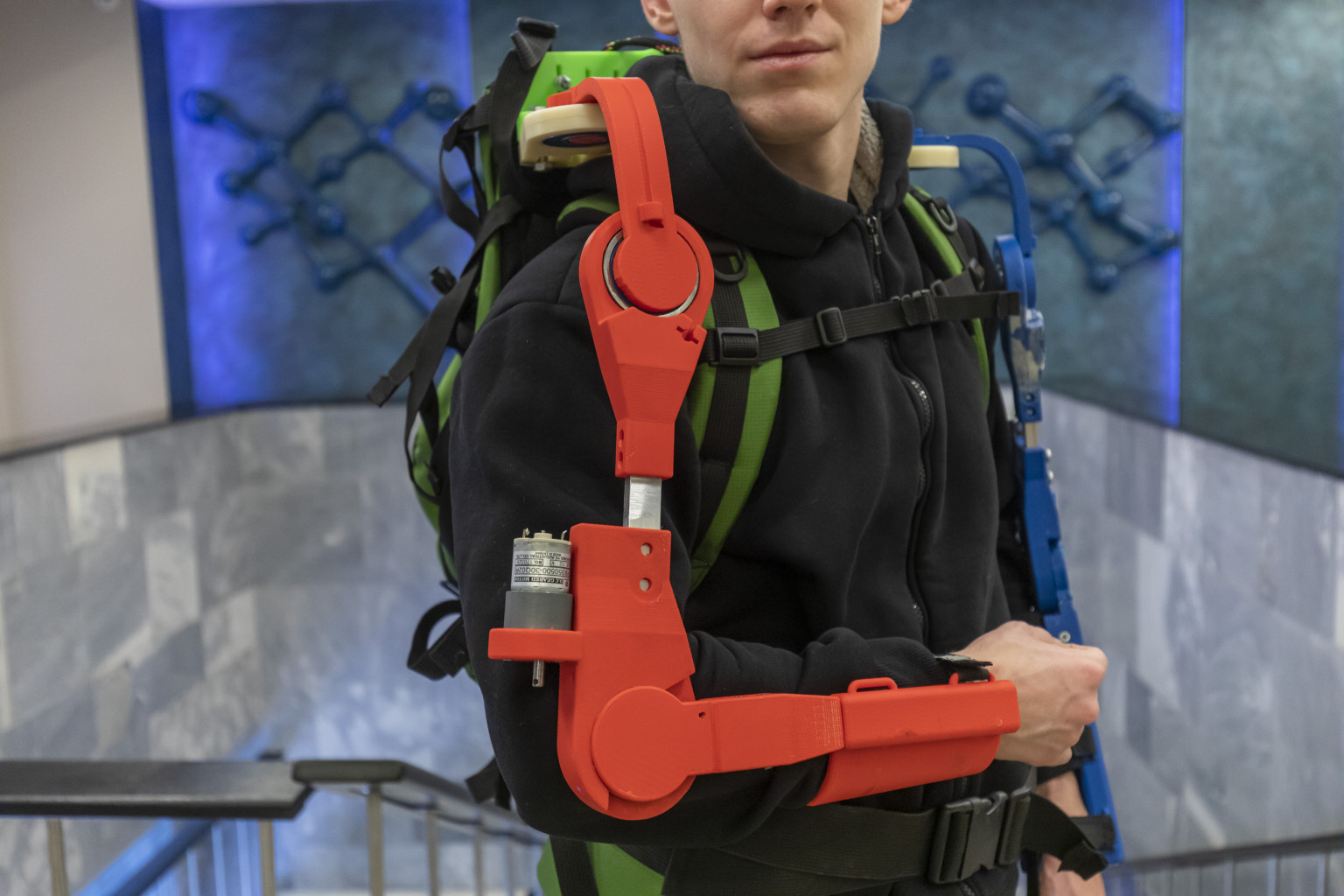
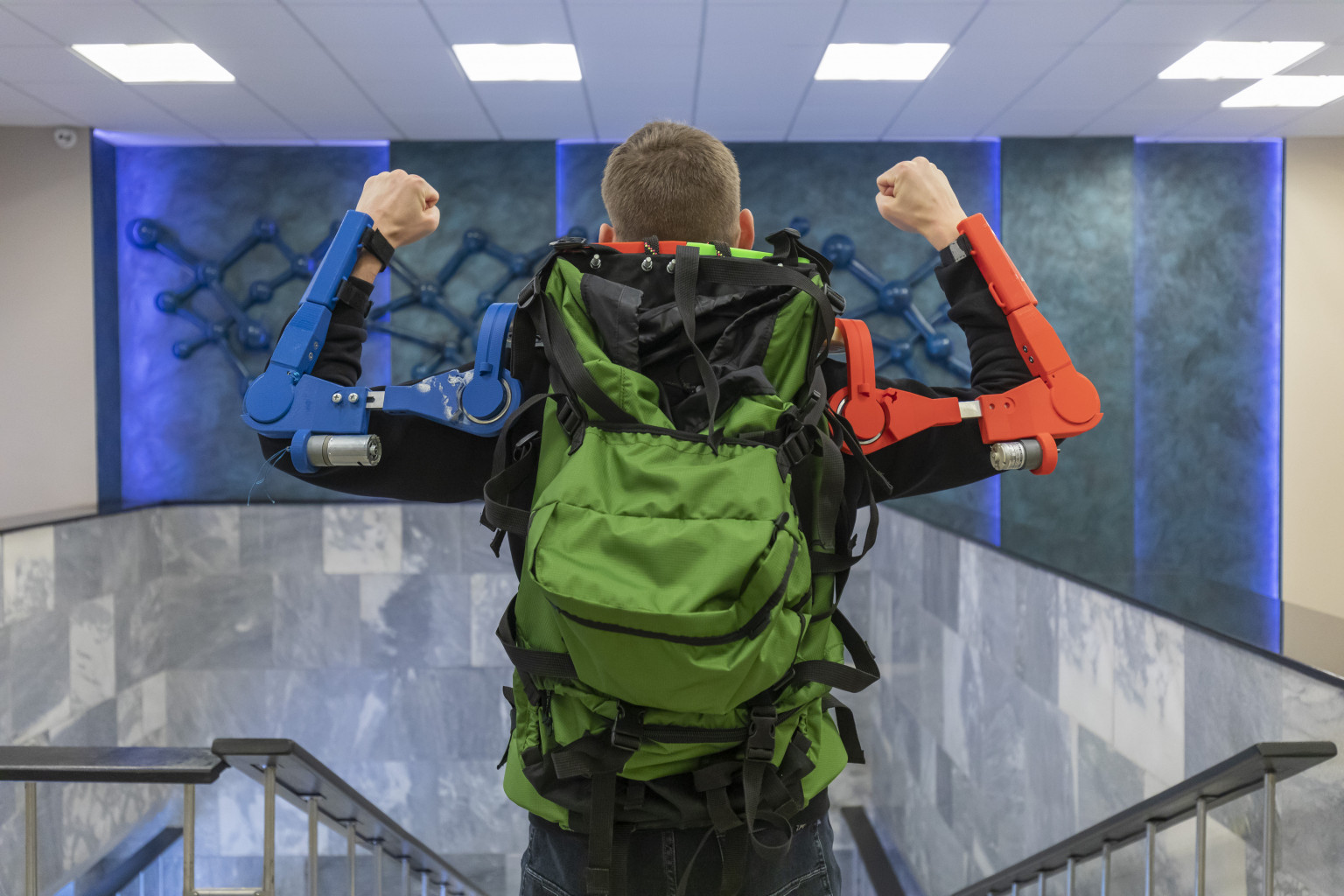
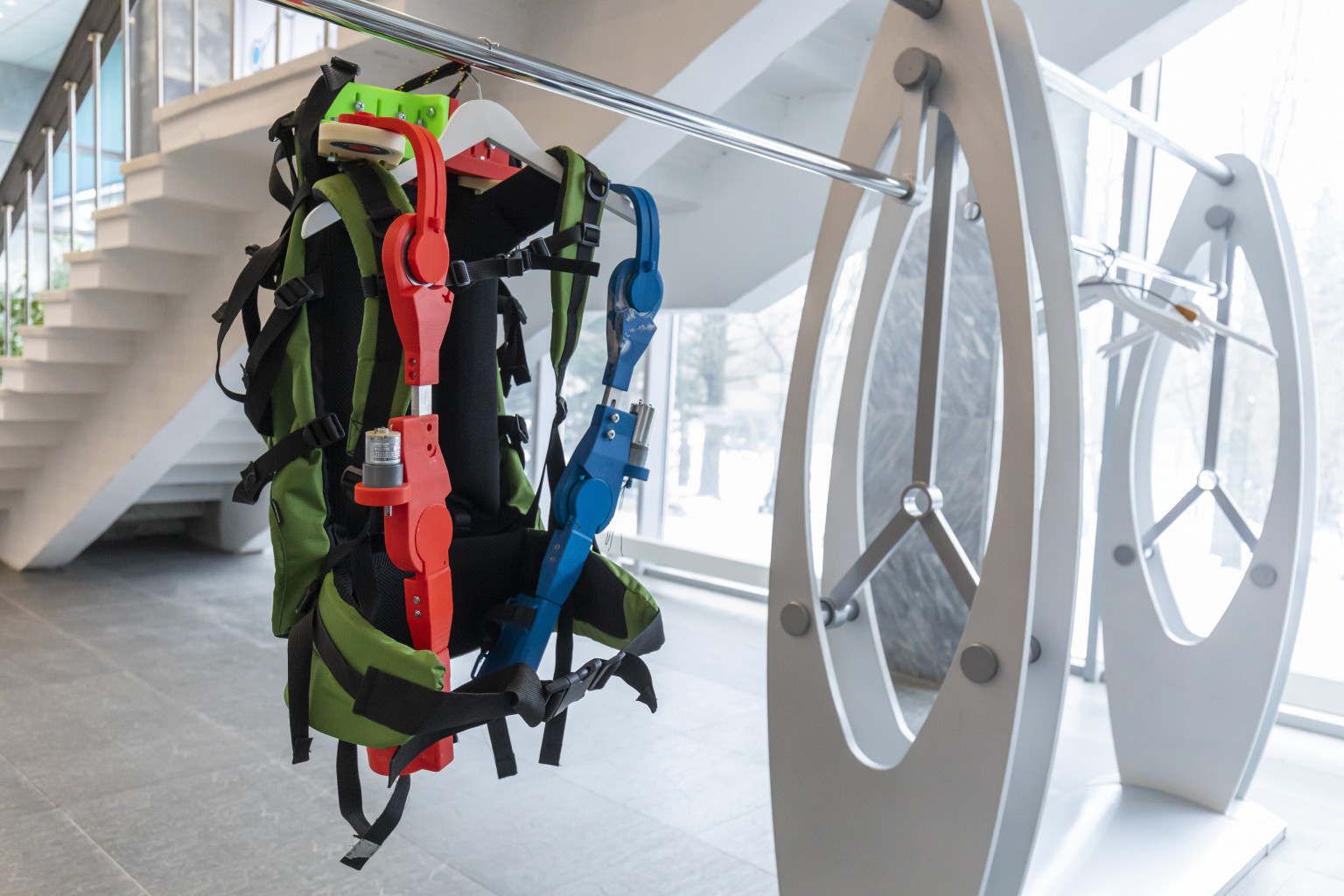
Employees of the Research Institute of Molecular Electronics (NIIME) have developed an exoskeleton designed for use in rehabilitation medicine. This was announced by Vladislav Ovchinsky, Head of the Department of Investment and Industrial Policy of the City of Moscow, which is part of the Complex of Economic Policy and Property and Land Relations of the capital. «NIIME has the status of a resident of the special economic zone (SEZ) of Moscow since 2015. The company conducts research and development work in the field of micro- and nanoelectronics. Currently, NIIME employs over 600 highly qualified specialists, including three academicians and two corresponding members of the Russian Academy of Sciences, more than 70 doctors and candidates of sciences. The new development will be in demand primarily in medicine, for example, in the rehabilitation of patients after a stroke,» Vladislav Ovchinsky said. The creators of the unique exoskeleton believe that the main drawback of the models available in the world is their control principle. To make such exoskeletons move, you need to press the remote control button. In industrial exoskeletons, control is often transferred to the operator. Another disadvantage of most samples is the pre-prescribed trajectory of the exoskeleton, regardless of the desires and physiology of the user. «Employees of SEZ Technopolis Moscow resident – the Research Institute of Molecular Electronics – have created a platform for an active arm exoskeleton with neural network muscle control to solve medical, industrial, rescue and special tasks. It is based on the innovative author's management principle,» said Gennady Degtev, General Director of SEZ Technopolis Moscow. The market for the use of exoskeletons is growing every year, demonstrating high potential in industries where strengthening human physical capabilities is required. For example, in the elimination of the consequences of emergencies, construction or industry. «We propose to noninvasively read electromyographic signals from human muscles and register the actual position of the hand. The trained neural network will use this data to predict which trajectory is most likely in the interval of 0.2 – 0.3 milliseconds. Thus, we get an active enhancement of natural movement, quickly and accurately predicting the trajectory of various movements, taking into account the individual physical characteristics of the user. The author of the idea and the leader of the team is a researcher at the laboratory and a graduate student of the Moscow Institute of Physics and Technology, Herman Karnup,» said Oleg Telminov, head of the NIIME target search laboratory for the study of neuromorphic systems. Currently, the developers are consulting with the rehabilitation centers of Sechenov University, the National Medical and Surgical Center named after N. I. Pirogov, the rehabilitation center Three Sisters. ________________________________________ Press service of the SEZ "Technopolis Moscow" Phone: +7 916 516-15-46 Mail: pr@technomoscow.ru [ mailto:pr@technomoscow.ru ] Subscribe to the SEZ "Technopolis Moscow" in social networks, follow the main news of the SEZ in telegram-channel [ https://t.me/technopolismoscow ] and receive all the most important news delivered to your mail in our weekly newsletter [ http://events.technomoscow.ru/subscribe/?utm_source=site_technomoscow ] .